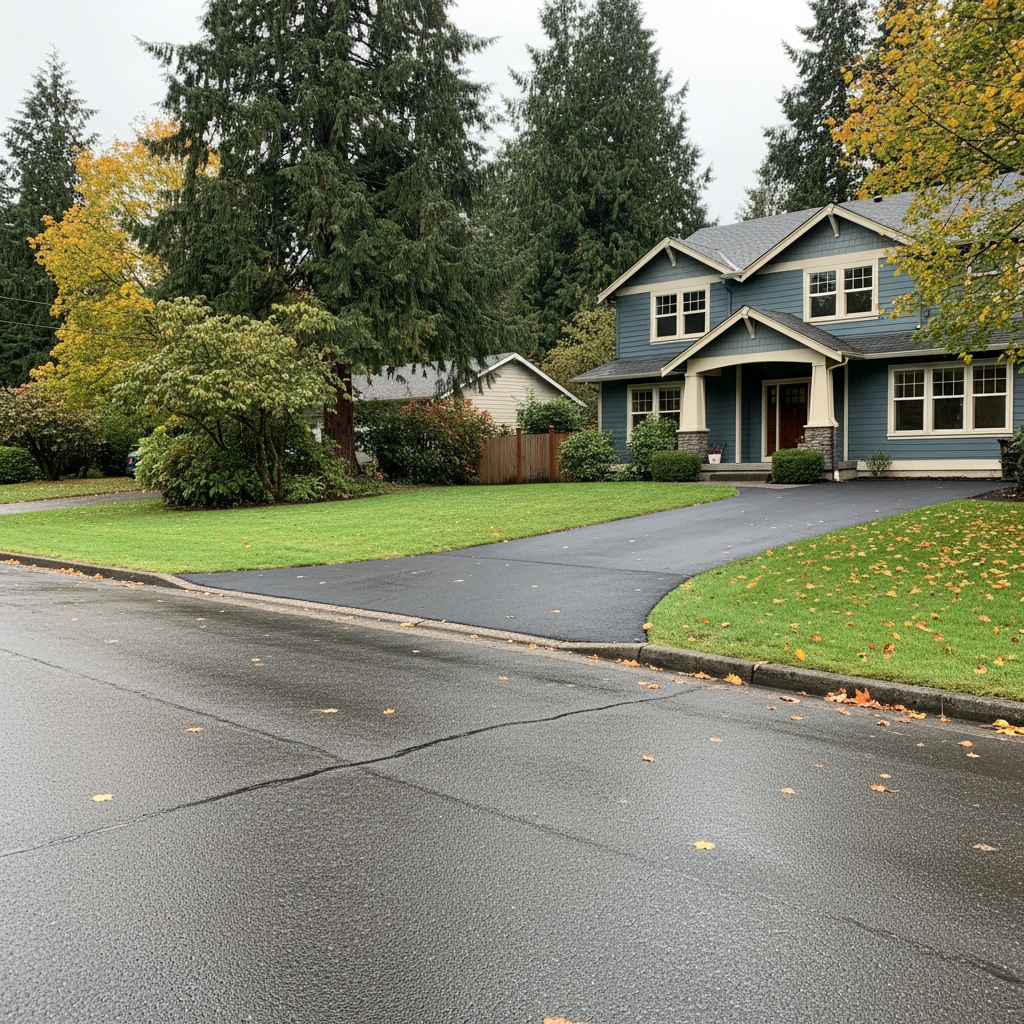
Got cracks, potholes, or just a tired-looking asphalt driveway? You're probably thinking about getting it fixed, and that's a smart move. Ignoring those issues just makes them worse, especially with our Vancouver weather – all that rain and freeze-thaw cycles really do a number on pavement. But before you jump in, you need a plan. This isn't just about slapping down some new asphalt; it's a real project, and you want it done right.
Understanding Your Project Timeline
So, how long does this whole thing take? That's usually the first question I get. The honest answer is: it depends. A small pothole repair is obviously quicker than a full driveway resurface. Generally, from your first call to the final sweep, here's what you can expect:
- Initial Contact & Estimate (1-2 weeks): You call us, we schedule a visit to assess your driveway. We'll look at the damage, talk about what you want, and then put together a detailed estimate. Good contractors are busy, especially in peak season, so don't expect someone to show up the same day you call.
- Scheduling the Work (2-6 weeks): Once you approve the estimate, we'll get you on the schedule. This can vary a lot. Spring and fall are prime asphalt seasons around here because the temperatures are just right. Summer can work too, but really hot days mean we're often starting super early. Winter? Forget about it for major work unless it's an emergency patch.
- Actual Work On-Site (1-3 days): Most residential asphalt repair jobs, even a good-sized resurface, don't take more than a few days of actual work. Smaller patch jobs might be done in a few hours. This is the part where you see all the action.
- Curing Time (2-7 days): This is crucial. Once the asphalt is down, it needs time to harden and cure properly. You can't just drive on it immediately. We'll give you specific instructions, but generally, plan on staying off it for at least 2-3 days, and sometimes up to a week for heavy vehicles.
Factor in those lead times, especially if you're trying to get it done before a big event or the rainy season kicks in.
What to Expect During the Process
When we're on site, it's going to be a bit of a construction zone. Here's a rundown:
- Preparation is Key: We'll start by clearing the area, removing debris, and often cutting out damaged sections of your old asphalt. If we're doing a full resurface, we might be grinding down the old layer. This can be noisy and dusty.
- Base Work: A solid base is everything. If your existing base is compromised, we might need to repair or reinforce it. This ensures your new asphalt lasts.
- Applying the Asphalt: This is where the magic happens. Hot asphalt is laid down, spread, and then compacted with heavy rollers. It's hot, it smells, and it's definitely a professional job.
- Cleanup: Once the asphalt is laid and initially compacted, we'll clean up the site, removing any excess material and leaving your property tidy.
- Curing & Protection: We'll put up barricades or tape to make sure no one accidentally drives on the fresh asphalt. Seriously, respect the cones. Driving on it too soon can cause permanent damage.
You'll see trucks, heavy equipment, and a crew working hard. It's a process, but a well-oiled machine when you hire the right pros.
How to Prepare Your Property
You can help make the process smoother for everyone. Here are a few things you should do:
- Clear the Area: Move your cars, boats, RVs, trash cans, planters, toys, anything that's on or near the driveway. We need clear access.
- Trim Landscaping: If you have bushes or tree branches hanging over the driveway, trim them back. We need room for our equipment and crew to work safely and efficiently.
- Mark Sprinkler Heads: If you have an irrigation system, mark any sprinkler heads that are in or very close to the work area. We don't want to accidentally damage them.
- Secure Pets & Kids: For their safety and ours, keep pets and children away from the work zone during active construction. Heavy machinery and hot asphalt aren't a playground.
- Inform Neighbors: Give your neighbors a heads-up that there will be some noise and activity for a few days. It's just good neighborly practice.
- Plan Parking: Figure out where you'll park your vehicles for a few days while your driveway is curing.
Questions to Ask Before Signing a Contract
Don't just go with the cheapest bid. This is an investment in your home. Ask these questions:
- What's included in the estimate? Make sure it's detailed. Does it cover excavation, base work, asphalt depth, cleanup? Are there any potential hidden costs?
- What kind of asphalt will you use? There are different mixes. A good contractor will explain why they're using a particular type for your project.
- What's your process for base preparation? This is critical. A bad base means a short-lived driveway.
- Do you have references? A reputable company will happily provide them. Check them out.
- Are you licensed and insured? Absolutely non-negotiable. Ask for proof of both. For us here at Horizon Asphalt Solutions, we're fully licensed and insured, no question.
- What kind of warranty do you offer? What does it cover, and for how long?
- How do you handle unexpected issues? Sometimes you uncover surprises once you start digging. How will they communicate those, and what's the process for additional costs?
- What's the payment schedule? A reputable company won't ask for 100% upfront. There's usually a deposit, then payments tied to project milestones.
Taking the time to plan and ask the right questions will save you headaches and money in the long run. You want a durable, good-looking driveway that adds value to your home, not a problem that needs fixing again in a couple of years. Do your homework, and you'll be happy with the results.