What exactly is sealcoating, and why do I need it?
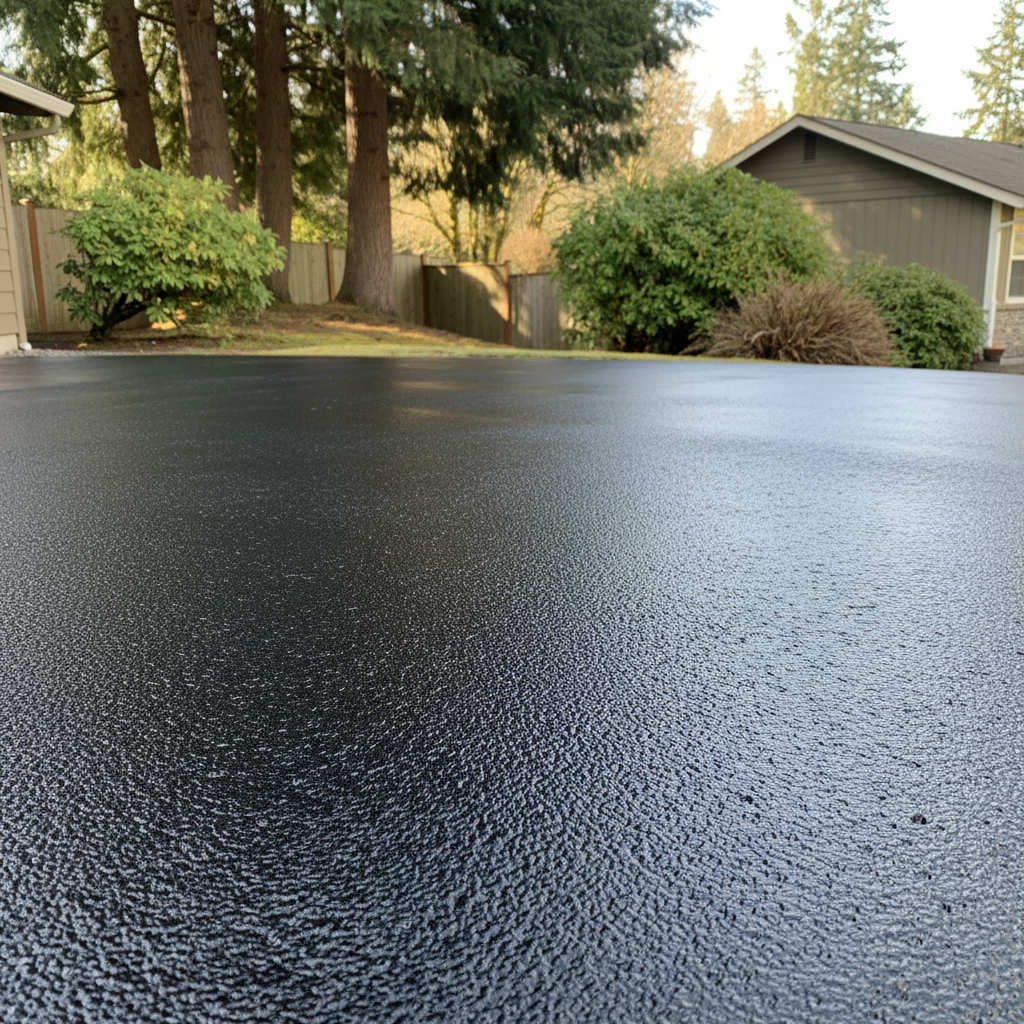
Alright, let's cut to the chase. Sealcoating is basically a protective layer we put over your asphalt driveway. Think of it like sunscreen and a moisturizer for your pavement, really. It's a liquid application, usually a coal tar or asphalt emulsion, that hardens to form a barrier. Why do you need it? Well, your asphalt is constantly getting hammered by UV rays from the sun, which dry out the binders and make it brittle. Then you've got rain, oil spills, gas drips, and just general wear and tear. Sealcoating protects against all that. It replenishes those lost oils, seals up tiny cracks, and gives your driveway a fresh, black look. It extends the life of your asphalt, plain and simple.
How often should I get my driveway sealcoated in Vancouver?
This is probably the most common question I get. For most residential driveways around Vancouver, I recommend sealcoating every 2-3 years. Now, that's a general guideline. If you've got a brand new driveway, you'll want to wait about 6-12 months for the asphalt to fully cure before the first application. After that, it really depends on a few factors: how much traffic your driveway sees, if you've got heavy vehicles parked on it, how much sun exposure it gets, and even the quality of the initial asphalt installation. If you're seeing a lot of fading, small cracks starting to form, or a general dullness, it's probably time. Don't wait until it's falling apart; sealcoating is preventative maintenance, not a miracle cure for a crumbling driveway.
What's the best time of year to sealcoat in Vancouver, WA?
Timing is everything, especially with our unpredictable weather here. You absolutely need warm, dry conditions for sealcoating to cure properly. That means consistent temperatures of at least 50°F (and ideally higher) for 24-48 hours after we apply it, and no rain in the forecast. So, for us in Vancouver, that usually puts us in the late spring, summer, and early fall window – roughly May through September. Trying to do it too early or too late in the year, when we're getting those cool, damp fronts rolling in from the Pacific, is just asking for trouble. The sealcoat won't stick right, it won't cure properly, and you'll end up with a mess or a short-lived application. We're always watching the forecast like hawks for our clients.
How long does it take for sealcoat to dry, and when can I drive on it?
Once we've applied the sealcoat, the drying process begins. Generally, it'll be dry to the touch in a few hours, but that's not when you can drive on it. You need to give it at least 24 hours, and preferably 48 hours, before you allow any vehicle traffic. Foot traffic is usually fine after 4-8 hours, but I'd still recommend staying off it if you can. The longer you let it cure, the harder and more durable that protective layer will become. Rushing it can lead to tire marks, scuffs, and even peeling, especially if you're turning your wheels sharply. It's a bit of an inconvenience for a couple of days, I know, but it's crucial for the longevity of the application.
Will sealcoating fix all the cracks in my driveway?
That's a common misconception. Sealcoating is great for preventing new cracks and sealing up very fine, hairline cracks. It's not a crack filler for anything significant. If you've got cracks wider than, say, a quarter-inch, or deep alligator cracking, those need to be repaired *before* we apply sealcoat. We'll clean them out, fill them with a hot rubberized crack sealant, and let that cure. Only then do we sealcoat over the top. Think of it this way: you wouldn't paint a wall with a big hole in it without patching the hole first, right? Same principle applies here. Sealcoating over major cracks will just hide them temporarily, and they'll reappear quickly, compromising the entire job.
What's the difference between coal tar and asphalt emulsion sealers?
Okay, this gets a little technical, but it's good to know. Historically, coal tar sealers were the go-to. They're incredibly durable, resist oil and gas, and give a really deep, dark black finish. The downside is they have a stronger odor, and some environmental concerns have led to restrictions in certain areas, though not typically for residential use here. Asphalt emulsion sealers are petroleum-based, just like your asphalt driveway. They're more environmentally friendly, have less odor, and are still very effective. They might not be quite as resistant to chemicals as coal tar, but for most residential driveways, they do an excellent job. Here at Horizon Asphalt Solutions, we use high-quality materials, and we can discuss the best option for your specific driveway and needs.
My driveway is old and really faded. Will sealcoating make it look new again?
It'll make a huge difference, absolutely. Sealcoating brings back that rich, black color your asphalt had when it was new. It makes the surface look uniform and clean, which instantly boosts your curb appeal. It also helps hide minor imperfections and stains. Now, it won't magically smooth out every bump or fill every pothole – that's a different kind of repair entirely. But for a faded, dull, or slightly weathered driveway, sealcoating will make it look dramatically better, almost like a fresh paving job. It's one of the most cost-effective ways to revitalize your property's appearance and protect your investment.
What kind of preparation is needed before you apply sealcoat?
Good question, because prep work is probably 70% of a good sealcoating job. First, we'll thoroughly clean the entire surface. That means sweeping, blowing off all loose dirt, leaves, and debris. Then, we'll power wash it to get rid of any caked-on grime, moss (which we see a lot of in the shade around areas like Salmon Creek), and oil spots. Any oil or grease stains need to be treated with a primer or removed, otherwise, the sealcoat won't stick. As I mentioned earlier, any significant cracks or potholes need to be filled and allowed to cure. The surface has to be completely dry and clean before we even think about touching it with sealcoat. Skipping these steps is how you get a poor, short-lived application, and that's just not how we operate at Horizon Asphalt Solutions.