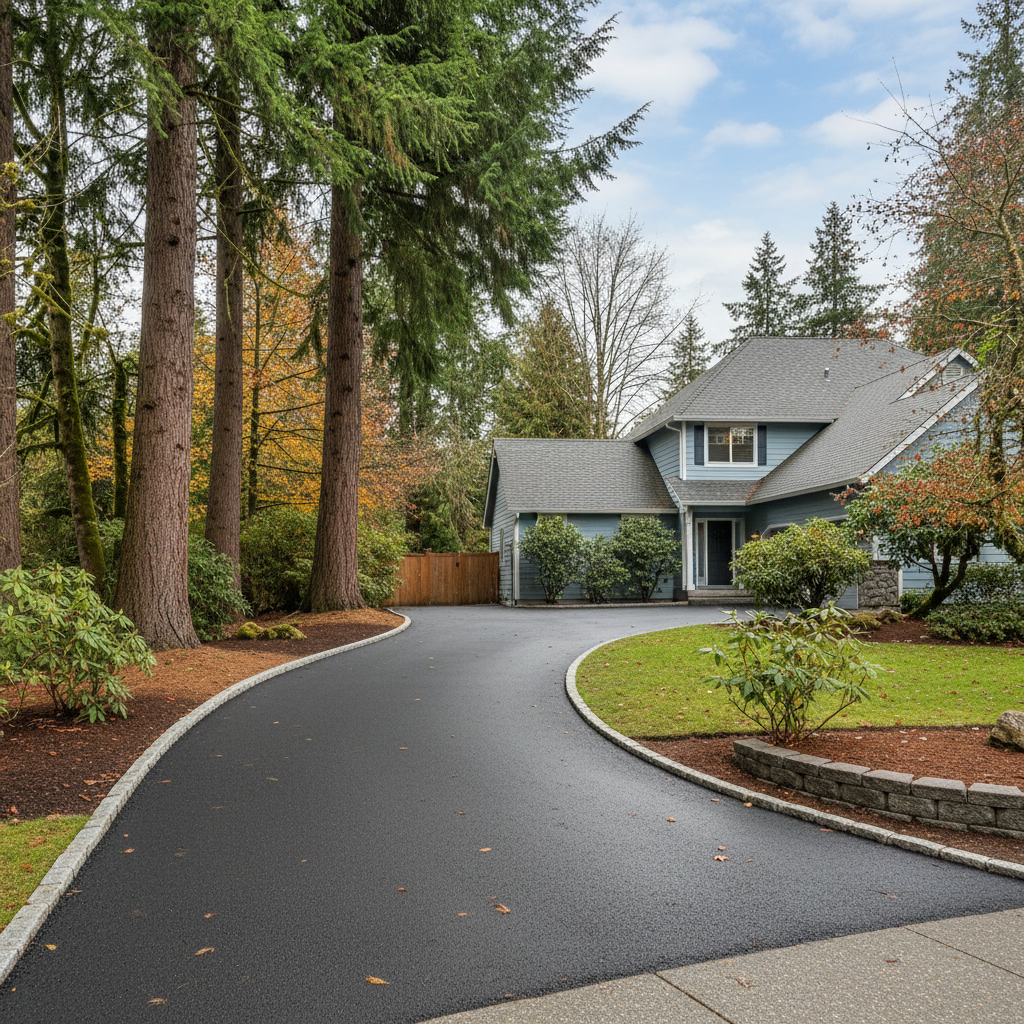
When's the Best Time to Pave Your Driveway in Vancouver?
You're thinking about a new asphalt driveway, and that's a smart move for your home's curb appeal and functionality. But here in Vancouver, WA, timing isn't just a suggestion; it's everything. You can't just pave any old day, especially with our unique climate. The best window for asphalt paving is generally from late spring through early fall. Think May, June, July, August, and maybe early September. Why then?
It boils down to temperature and moisture. Asphalt needs warm, dry conditions to cure properly. When we lay down that hot asphalt mix, it's got to cool and compact correctly. If it's too cold, it cools too fast, making it harder to compact and less durable. If it's too wet, well, water and fresh asphalt don't mix. It can mess with the binding agents and lead to issues down the road, literally.
I've seen folks try to push it into late fall or early spring, and it's just not worth the risk. You're investing good money in this, so you want it done right the first time. We're not talking about a quick fix; this is a long-term improvement.
Weather Conditions That Make or Break a Paving Job
So, what exactly are we looking for in terms of weather? Here's the rundown:
- Warm Temperatures: We're talking consistent temperatures above 50 degrees Fahrenheit, and ideally, closer to 70 degrees or more. This allows the asphalt to remain pliable during installation and compact properly. It also helps with the curing process, ensuring a strong, cohesive surface.
- Dry Conditions: This is non-negotiable. The ground needs to be dry before we even start, and we need a clear forecast for the day of paving and ideally a few days after. Rain can cool the asphalt too quickly, prevent proper compaction, and even wash away fine particles, weakening the mix. Our Vancouver drizzle, even if it seems light, can be a real problem for fresh asphalt.
- Low Humidity: While not as critical as temperature and direct rain, excessively high humidity can also slow down the curing process. We're fortunate that our summers here usually offer a good balance.
When you call Horizon Asphalt Solutions, we're always checking the forecast multiple times. We won't schedule a job if the weather isn't cooperating. It's not just about getting the job done; it's about getting it done right so it lasts.
Protecting Your Asphalt Investment Year-Round
Once your beautiful new driveway is in, your job isn't over. You've got to protect that investment, especially with our Pacific Northwest weather patterns. Here's what you need to keep in mind:
Summer Care (Warm & Dry)
This is when your driveway is most vulnerable to heavy loads and fresh spills. Avoid parking heavy RVs or trailers on a brand new driveway for the first few weeks. If you spill oil or gas, clean it up immediately. Those petroleum products can break down the asphalt binder. Also, watch out for sharp objects or heavy point loads that can indent the softer, newer asphalt.
Fall Care (Wet & Cooler)
As the leaves start falling and the rain picks up, keep your driveway clean. Wet leaves can create slick spots and, if left to decompose, can stain the asphalt. Make sure your drainage is clear. If water is pooling on your driveway, it's going to cause problems eventually, especially when winter hits.
Winter Care (Cold & Icy)
This is where our climate really tests your asphalt. The freeze-thaw cycle is the enemy. Water seeps into tiny cracks, freezes, expands, and makes those cracks bigger. That's how potholes start. Avoid using metal shovels that can scrape the surface, and be careful with de-icing chemicals. Some harsh chemicals can damage asphalt. Sand is a good, non-damaging alternative for traction. If you see cracks forming, get them sealed as soon as the weather allows. Don't wait.
Spring Care (Transition)
As things warm up, it's time for a thorough inspection. Look for any new cracks, potholes, or areas where the surface might be deteriorating. This is the perfect time to schedule any necessary repairs or consider sealcoating. Sealcoating every 2-3 years is like sunscreen for your driveway; it protects it from UV rays, water penetration, and extends its life significantly. It's a small investment that pays off big time in preventing major repairs.
Taking these steps throughout the year will keep your Vancouver, WA driveway looking good and performing well for decades. It's all about understanding our local conditions and being proactive. If you've got questions or need a quote, you know who to call.