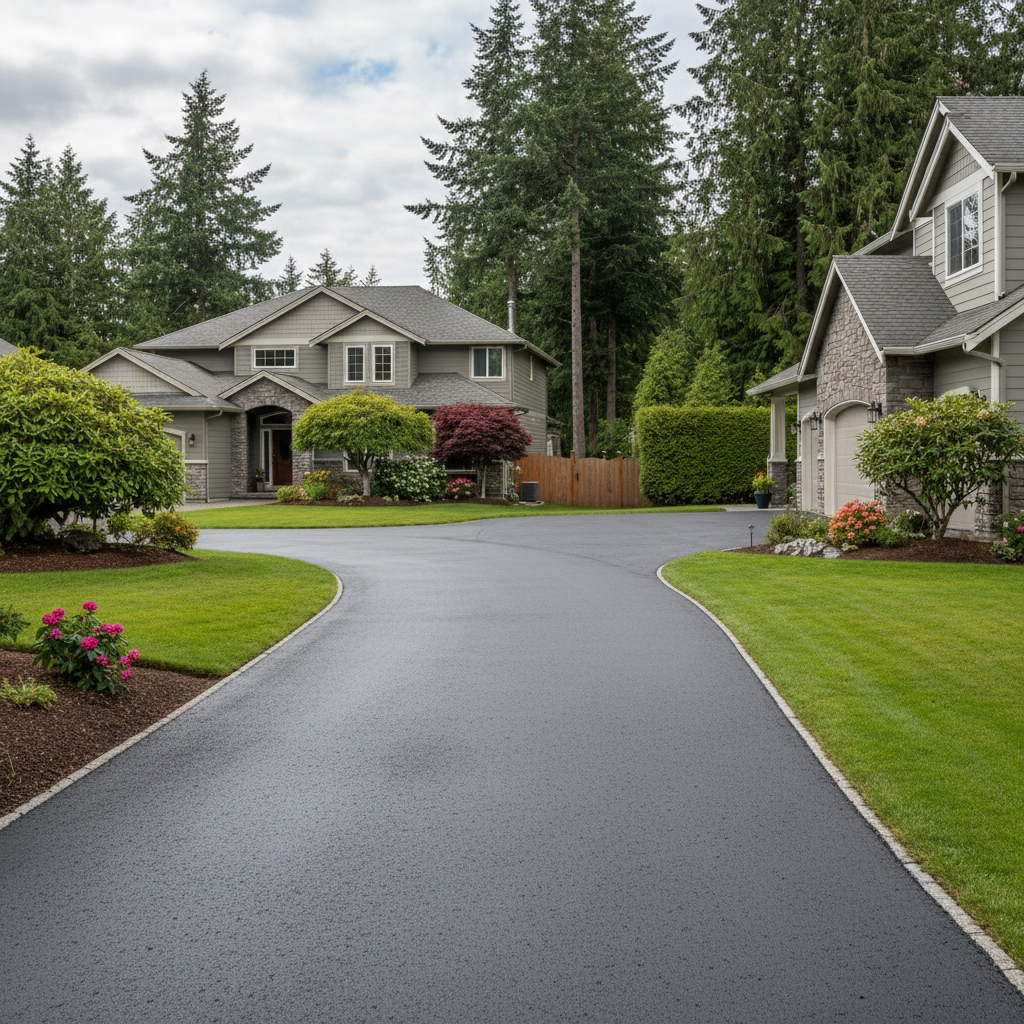
You just put down a fresh slurry coat, and your parking lot or driveway looks dark, clean, and solid. Keeping it that way takes a bit of ongoing attention, especially around here where the weather does not do our pavement any favors. Between the persistent winter rains in neighborhoods like Fishers Landing and the heavy clay soils that shift underneath your asphalt, you cannot just pave it and forget it.
Routine Upkeep Makes a Real Difference
Keeping your surface clean is the easiest way to extend the life of your investment. Grab a leaf blower or a broom regularly to get rid of organic debris. Wet leaves sitting on asphalt hold moisture against the surface, and organic acids will slowly break down the binder. If you have oil or fluid leaks from vehicles, clean them up fast using a designated degreaser before the petroleum starts softening the fresh aggregate mix.
What to Watch For
Keep your eyes open for early warning signs that tell you the surface needs attention.
- Hairline cracks starting to show through the aggregate matrix
- Faded patches where the rich black color is turning gray from UV exposure
- Small depressions or birdbaths holding standing water after a heavy downpour
When water pools on your asphalt for more than twenty-four hours after the rain stops, you have a drainage problem that will eventually break down the sub-base. Winter freeze-thaw cycles in Clark County will turn small trapped puddles into expanding cracks very quickly.
Horizon Asphalt Solutions sees plenty of surfaces that could have lasted years longer if minor issues were caught early. Address small cracks with rubberized crack filler during the dry summer months before the autumn rains arrive. If you notice large areas of the aggregate starting to ravel off or wheel ruts forming under regular traffic, it is time to bring in a professional to evaluate whether a fresh maintenance layer or deeper patching is required.