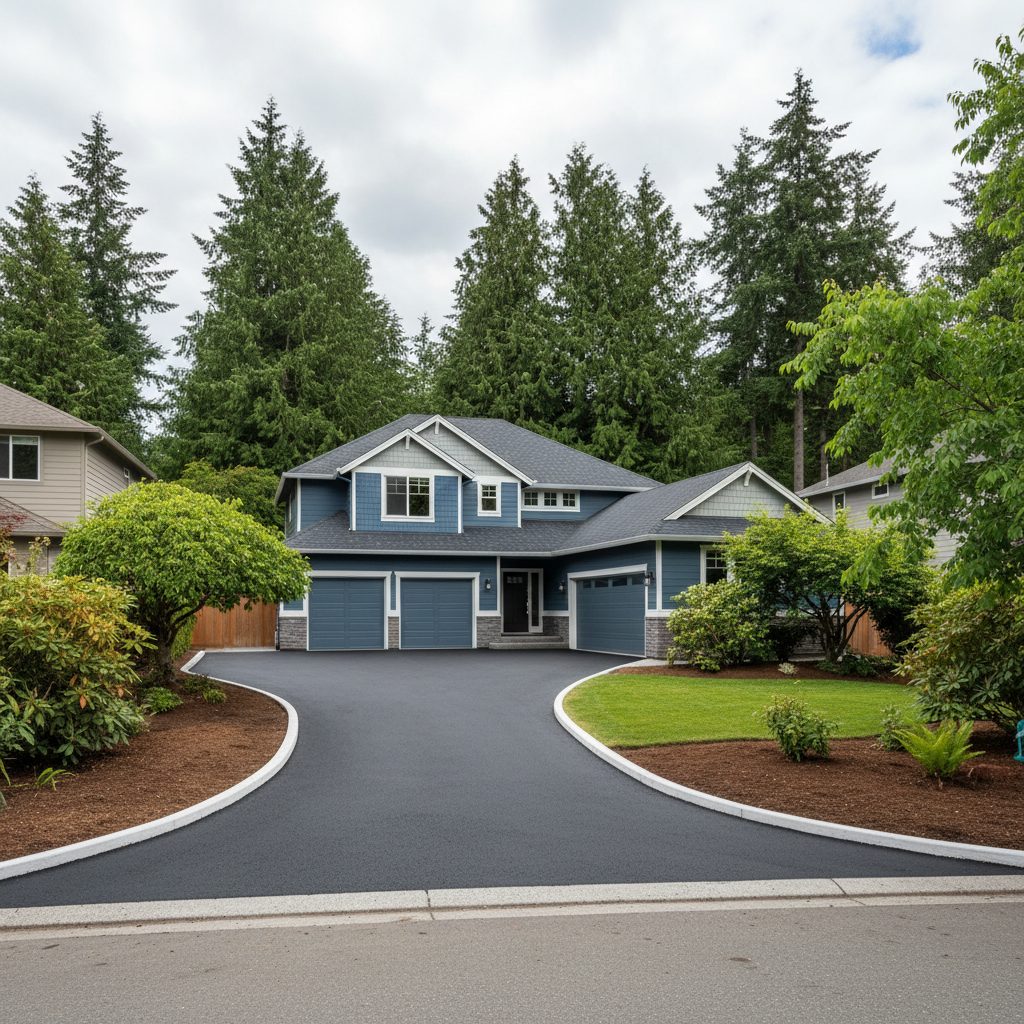
So, you're thinking about a new driveway? That's a pretty big project, and you really want to get it right. I've seen a ton of driveways go in around Vancouver, from those sprawling places out in Hockinson to the tighter lots up in the Heights, and believe me, good planning makes all the difference. This isn't just about pouring asphalt; it's about setting yourself up for a smooth process and a driveway that actually lasts.
Understanding Your Project Timeline
Let's talk timeline first, because that's usually what people ask about first. A full driveway paving project isn't something that happens overnight, especially when you consider all the prep work and, of course, the weather. Generally, you're looking at a few weeks from your first call to the finished product, but the actual paving part? That's much quicker.
- Initial Contact & Estimate: This is step one. You give us a call, we come out, measure things up, check out what's there now, and then give you a detailed estimate. This can take anywhere from a few days to a week, depending on how busy we are and how fast we can get someone out there.
- Scheduling: Once you've approved the estimate, we'll get you on the schedule. This is where Vancouver's weather really calls the shots. We can't pave if it's pouring rain or too cold, so we're always glued to the forecast. Spring and late summer/early fall are usually the best times. Depending on our current workload, this might be a few weeks out.
- Permits (if needed): For some bigger projects, or if you're changing the driveway's footprint a lot, you might need a permit from the city or county. We can help you figure out if you need one, but getting it is your responsibility. Don't skip this step; it can cause some serious headaches down the road.
- Project Execution: Okay, this is the exciting part! For a typical residential driveway, the actual work might take anywhere from two days to a week. That includes digging things out, grading, getting the base ready, and then laying the asphalt.
- Curing Time: After the asphalt is down, it needs time to cure. You won't be able to drive on it right away. We'll give you specific instructions, but generally, plan on 2-3 days before light traffic and a week or more before you bring out the heavier vehicles.
What to Expect During the Process
When we're on site, it's pretty much a construction zone. You'll see heavy equipment, hear some noise, and yeah, there will be dust and dirt. Here's a quick rundown of what usually happens:
- Demolition & Excavation: If you've got an old driveway, we'll rip it out. Then we'll dig out the area to the correct depth, getting rid of soil and debris. This is often where we hit that dense, clay-like soil common around here, which we'll need to handle just right for good drainage.
- Grading & Base Preparation: This step is super important. We'll grade the area to make sure water runs away from your house and other structures. Then we lay down and compact a crushed rock base. A solid, well-compacted base is the real foundation of a driveway that lasts. Don't let anyone cut corners here.
- Asphalt Paving: We'll bring in the hot asphalt mix and spread it with specialized equipment. It's hot, it's sticky, and it has a distinct smell. We'll compact it thoroughly to get the right density and a smooth finish.
- Cleanup: Once the asphalt is down and cool enough, we'll clean up the site, taking away any construction debris.
How to Prepare Your Property
You can definitely help make the whole process smoother. Before we arrive:
- Clear the Area: Move any vehicles, boats, RVs, or anything else from the driveway and the surrounding work zone. We need clear access, plain and simple.
- Mark Utilities: If you have any underground sprinkler lines, invisible dog fences, or landscape lighting in the work area, mark them clearly. We'll call 811 for public utilities, but those private ones are your responsibility.
- Inform Neighbors: Give your neighbors a heads-up about the project. There will be noise and equipment, and it's just good neighborly practice, right?
- Plan for Access: You won't be able to use your driveway for a few days. Figure out where you'll park your cars and how you'll get in and out of your house.
- Secure Pets & Kids: Keep children and pets away from the work area for their safety.
Key Questions to Ask Before Signing a Contract
Before you commit, make sure you're comfortable with everything. Please, don't be afraid to ask questions. A reputable company, like Horizon Asphalt Solutions, will be happy to answer them.
- What's included in the price? Get a detailed breakdown. Does it cover excavation, base material, asphalt, and cleanup? Are there any potential extra costs that might pop up?
- What's your warranty? Understand what's covered and for how long.
- What kind of base material do you use, and how thick will it be? This directly affects how long your driveway will last.
- How thick will the asphalt layer be? Again, this is crucial for durability.
- What's the payment schedule? Do you need a deposit? When is the final payment due?
- Can you provide references? Any good contractor should be able to give you recent customer references.
- Are you licensed, bonded, and insured in Washington? This protects you if something goes wrong. Ask for proof.
- What's your plan for drainage? Proper drainage is key to preventing water damage and premature wear.
- How long will the curing process take, and what are the specific instructions for using the driveway afterward? Make sure you know exactly when you can drive on it and if there are any initial restrictions.
Paving a driveway is an investment in your home. By understanding the process, getting your property ready, and asking the right questions, you'll make sure the project goes smoothly and you end up with a beautiful, durable driveway that adds value and curb appeal for years to come.