Thinking about asphalt milling for your property? Good idea. It's a smart choice for a lot of folks, especially if you're looking to save some money and still get a solid surface. But I know there's a lot of confusion out there about what it actually is, and whether it's right for your place. So, let's get into the nitty-gritty and answer some of the most common questions I hear from homeowners right here in Vancouver.
What exactly is asphalt milling, anyway?
Alright, let's start with the basics. Asphalt milling, sometimes called 'cold planing' or 'asphalt recycling,' is basically grinding up the top layer of an existing asphalt surface. We use specialized equipment — big machines with rotating drums that have a bunch of cutting teeth — to shave off a specific depth of the old pavement. Think of it like a giant planer for your driveway.
We collect all that old asphalt, which we call 'millings' or 'reclaimed asphalt pavement' (RAP). This RAP can then be reused, often as a base material for new paving projects, or even mixed with new asphalt. It's a pretty environmentally friendly process, actually, because we're not just hauling everything to a landfill. We're giving that old asphalt a new life, you know?
Is asphalt milling the same as repaving?
No, not at all. And this is a big one people get mixed up. Repaving usually means laying a brand new layer of asphalt over an existing surface, or completely removing the old stuff and putting down new base and new asphalt. Milling, on the other hand, is about *preparing* the surface for a new layer, or sometimes, using the milled material itself as the final surface.
When we mill, we're taking material away. When we repave, we're adding new material. Sometimes, milling is the first step *before* repaving, especially if the existing surface is really beat up and has a lot of cracks or uneven spots. But you can also use milled asphalt as the finished product, which brings us to the next question.
Can I just use asphalt millings as my new driveway surface?
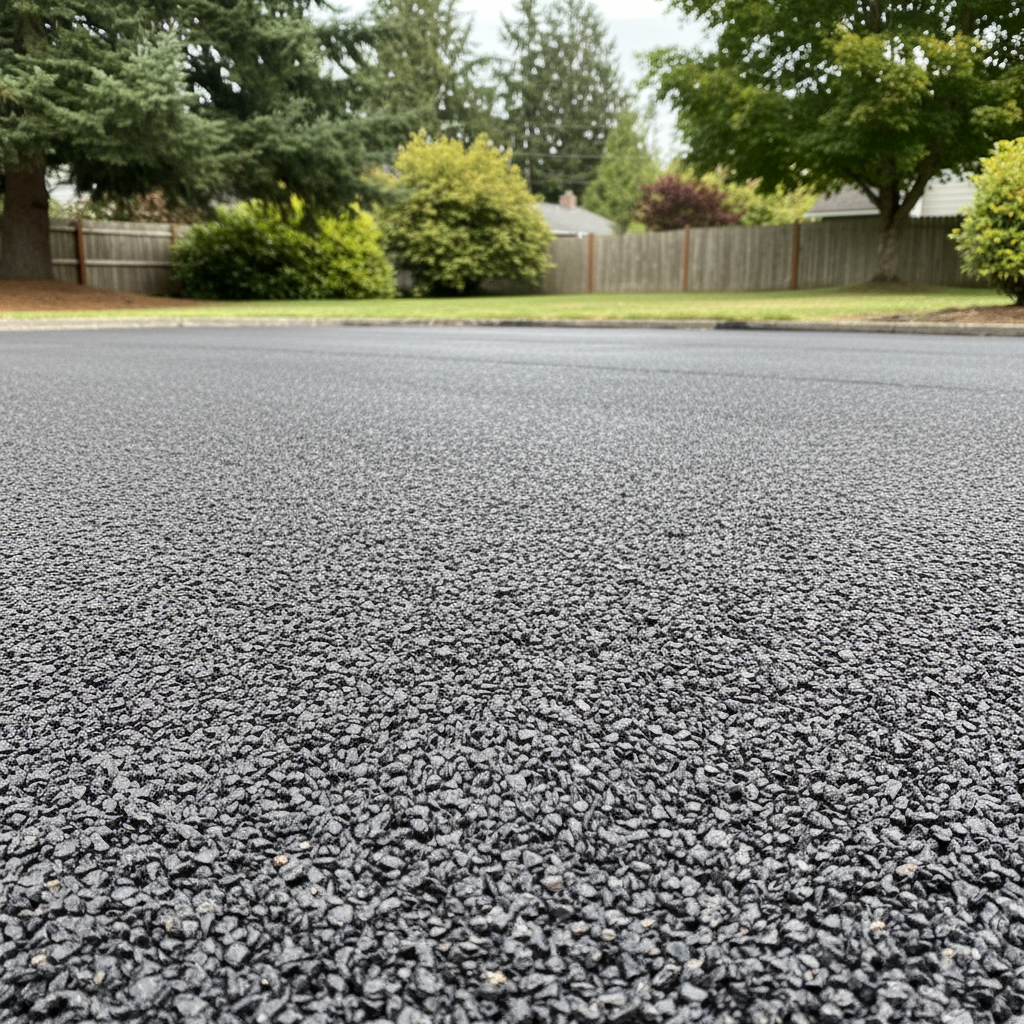
Absolutely, you can. And a lot of homeowners do, especially for longer driveways, private roads, or even parking areas where a perfectly smooth, jet-black finish isn't the top priority. When we use millings as a standalone surface, we spread them out evenly, grade them, and then compact them thoroughly. Sometimes we'll add an emulsion to help bind them together.
The big advantage here is cost. It's significantly cheaper than traditional hot-mix asphalt. You're using recycled material, and the process is less intensive. The downside? It won't be as smooth or as black as a brand new asphalt driveway. It's got more of a gravel-like appearance, and it might be a bit softer in really hot weather until it fully cures and compacts over time. But for many, it's a fantastic, durable, and budget-friendly option.
When does milling make sense for a homeowner?
Milling makes a lot of sense in a few key situations. First, if your existing asphalt is showing significant signs of wear – lots of cracks, potholes, or it's just really uneven – but the underlying base is still good. We can mill off that damaged top layer, address any issues with the base, and then put down a fresh new layer of asphalt, or use the millings themselves.
Second, if you've got drainage problems. Sometimes an old driveway has settled in spots, creating puddles. Milling allows us to re-establish proper slopes and grades to get water flowing off your property correctly. Here in Vancouver, with all the rain we get, good drainage isn't just a nice-to-have, it's a must-have, especially on properties with clay-heavy soils like you find in areas around Salmon Creek. Horizon Asphalt Solutions always prioritizes proper water management.
Third, if you're on a tighter budget but still need a durable surface. As I mentioned, using millings as the final surface is a cost-effective way to get a solid driveway or road without the higher price tag of new asphalt.
How long does a milled asphalt surface last?
That really depends on how it's used and how well it's installed. If we're talking about a surface made entirely of compacted millings, you can expect it to last for many years – easily 10 to 15 years, sometimes more, especially with good compaction and drainage. It's not going to be as pristine as hot-mix asphalt, but it's tough.
If milling is done as a preparation step before laying new hot-mix asphalt, then the lifespan of that new asphalt surface will be similar to any new asphalt driveway, which can be 15-20 years or even longer with proper maintenance. The milling process actually helps extend the life of the new overlay by creating a better, more stable foundation.
Will it be dusty or messy during the process?
Yeah, it can be a bit dusty, especially during the milling itself. Those machines are grinding up old asphalt, so you'll definitely see some dust. We do our best to manage it, but it's part of the process. As for mess, we're pretty meticulous about cleaning up. All the milled material gets collected and hauled away (unless you're keeping it for your own use, which some folks do for pathways or garden beds).
We'll always make sure your property is left in good shape. It's not like we just leave a pile of rubble. We're professionals, and we take pride in our work from start to finish.
Do I need to do anything to prepare my property for milling?
Not much, usually. We'll handle the heavy lifting. What helps us out, and ultimately helps your project go smoother, is making sure the area is clear. Move any vehicles, equipment, or anything else you don't want covered in a bit of dust or in the way of big machinery. If you have any irrigation heads or delicate landscaping right on the edge of the paving area, let us know so we can be extra careful or advise you to protect them.
We'll walk through everything with you before we start, so you'll know exactly what to expect and if there's anything specific you need to do. It's all about clear communication to make sure your project with Horizon Asphalt Solutions goes off without a hitch.
What's the cost difference compared to new asphalt?
This is where milling really shines for a lot of people. Using compacted millings for a driveway surface can be anywhere from 30% to 60% less expensive than installing a brand new hot-mix asphalt driveway. The exact percentage depends on the size of the job, the depth of the millings, and any additional prep work needed.
If you're milling off an old surface and then putting down a new asphalt overlay, it's still generally more cost-effective than a full tear-out and replace. You're saving on excavation, hauling away all the old material, and often on base material too, because you're preserving a good portion of your existing base. So, whether you're using millings as the final product or as a base for new asphalt, you're usually looking at significant savings compared to a completely new installation.